
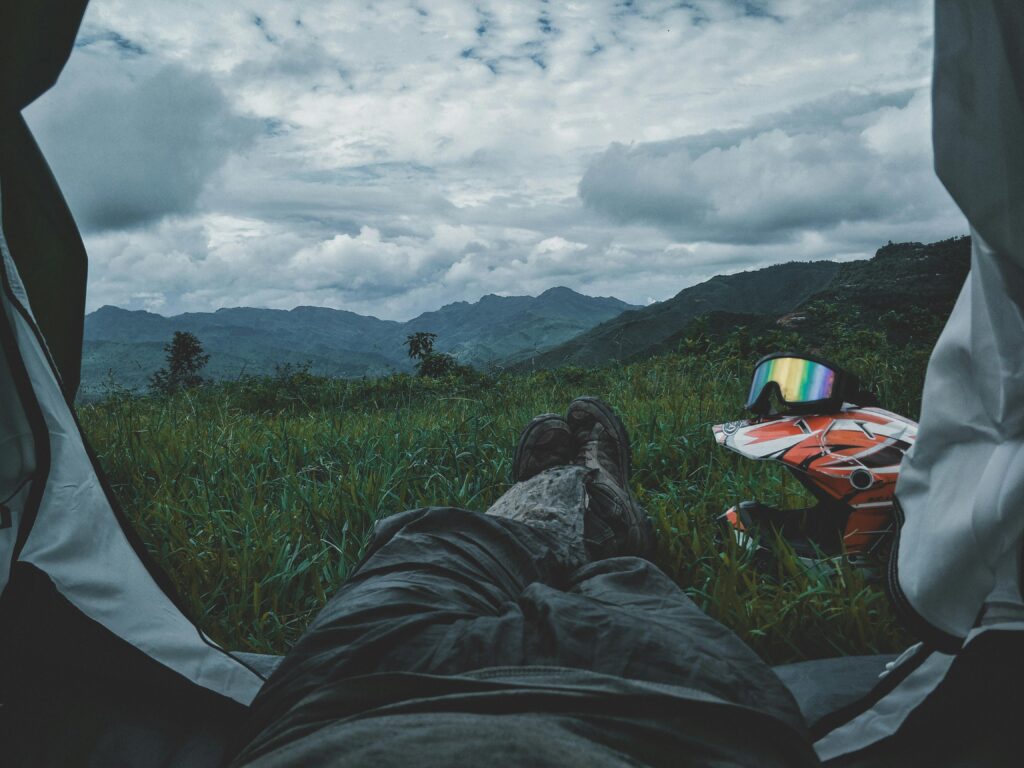
Looking to improve your camping skills and avoid rookie mistakes?
This comprehensive guide covers essential camping techniques for beginners and experienced adventurers alike—so you can set up camp efficiently, build safe fires, cook outdoors with ease, and store food properly. Whether you’re car camping or backpacking into the wild, these field-tested methods will help you camp smarter, safer, and more comfortably.
How to Choose the Best Campsite
Finding the right campsite is critical to your camping success. Here’s how to select and prepare the perfect spot:
Key campsite selection techniques:
- Look for level, dry ground free of roots and rocks.
- Stay at least 200 feet away from water sources (stream, lake, river).
- Choose a site with natural wind barriers like trees, shrubs, or boulders.
- Avoid dead tree limbs (“widowmakers”) that could fall during wind.
Tent Setup Techniques That Withstand Any Weather
If your tent is saggy or poorly anchored, it won’t protect you from wind or rain. Follow this proven technique to pitch your tent like a pro:
Step-by-step tent setup:
- Lay down a tent footprint or groundsheet slightly smaller than your tent.
- Stake down all corners first before inserting poles.
- Use guylines to tension the tent evenly and prevent sagging.
- Position the entrance away from prevailing wind for ventilation and rain protection.
Bonus Technique: In soft ground, use the deadman anchor method—tie guy lines to sticks or rocks buried in the soil for extra hold.
How to Build a Campfire Safely and Effectively
Mastering campfire technique ensures warmth, safety, and success with outdoor cooking. Here’s how to do it the right way:
3 Fire-Building Techniques:
- Teepee Fire: Ideal for quick lighting
- Log Cabin Fire: Best for even, long-lasting burns
- Dakota Fire Hole: Underground, low-smoke fire (excellent for stealth or windy conditions)
Campfire-building steps:
- Gather dry tinder, kindling, and fuel wood.
- Build your chosen fire structure.
- Light from the bottom; allow airflow.
- Monitor at all times. Keep water or sand nearby.
Efficient Campfire Cooking Techniques for Outdoor Meals
Want to cook outdoors without a mess? Here are field-proven camping cooking techniques:
3 Effective Cooking Methods:
- Foil Packets: Easy-prep meals wrapped and cooked in coals
- Grill Grates: Lightweight and reliable for meat, veggies, or breakfast
- One-Pot Cooking: Efficient, low-cleanup method (soups, chili, pasta)
Use non-stick pans or cast iron, and cook on hot embers—not open flame.
Pro Tip: Prep ingredients at home and pack in zip bags. This cuts campsite prep time in half.
Food Storage Techniques to Avoid Wildlife Encounters
Improper food storage attracts bears, raccoons, and rodents. Use these proven camp food storage methods to stay safe:
Best food storage techniques:
- Bear Hang: Suspend food 12 ft high and 6 ft from any trunk.
- Bear Canisters: Required in many national parks; place 100 ft from camp.
- Odor-proof bags: Use double layers with dry sacks or Ursacks for backpacking trips.
Never store food inside your tent—even sealed snacks.
Wet Weather Camping Setup Tips
Rain can ruin your trip—unless you’re ready.
Wet weather camping techniques:
- Pitch a tarp or rain fly first to keep gear dry while setting up.
- Choose elevated ground—avoid low areas where water pools.
- Store gear in dry sacks or trash bags inside your pack.
- Create a slight trench around your tent (only if permitted) for runoff.
Pro Packing Tip: Organize Gear by Activity
Instead of packing by item type (clothes, tools, food), pack by activity flow:
- Arrival setup (tent, stakes, headlamp)
- Cooking kit (stove, utensils, food)
- Overnight (sleeping bag, pillow, hygiene kit)
This method makes unpacking fast—and avoids digging through your entire pack just to find your lighter.